CS Fundamentals
200 articles in this topic
Cache memory: mapping techniques and hit ratio, with the exam angle
Cache memory explained: the memory hierarchy, locality, direct, associative and set-associative mapping, plus a worked hit-ratio and access-time example.
Regular expressions and the pumping lemma, with the exam angle
Regular expressions and the pumping lemma explained: the operators, closure properties, and a worked proof that a^n b^n is not regular, with the exam angle.
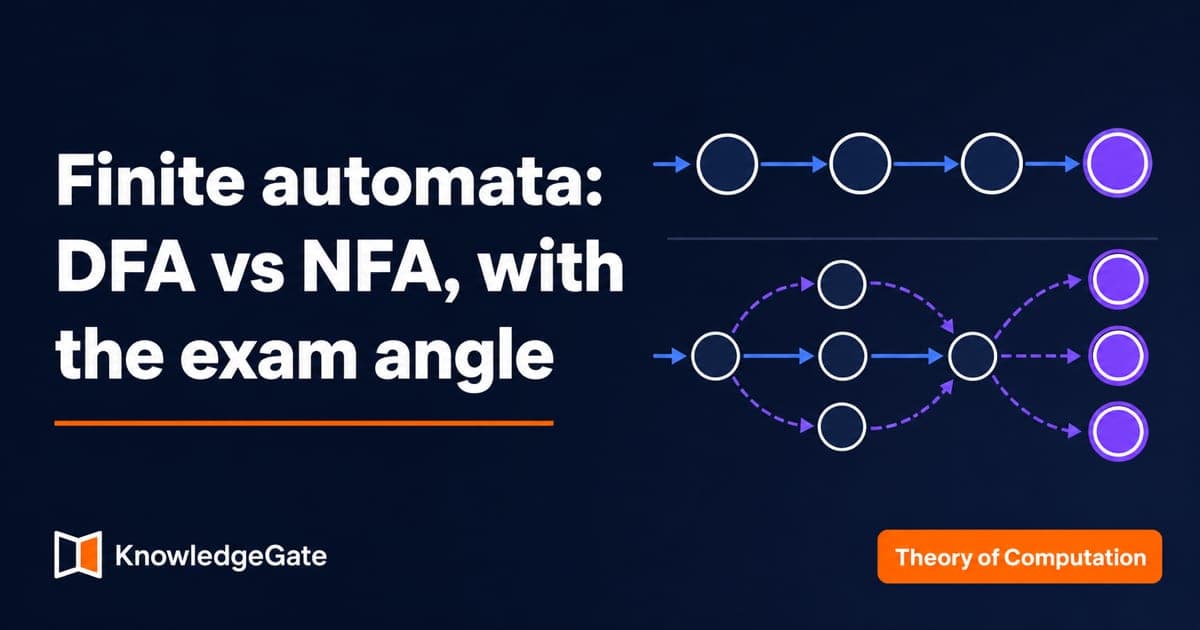
Finite automata: DFA vs NFA, with the exam angle
Finite automata explained: the DFA and NFA 5-tuple, DFA vs NFA, a worked subset construction converting an NFA to a DFA, equivalence, and the exam angle.
TCP vs UDP: the transport layer explained, with the exam angle
TCP vs UDP explained: the transport layer's job, connection-oriented vs connectionless, reliability, congestion control, headers, and when to use each.
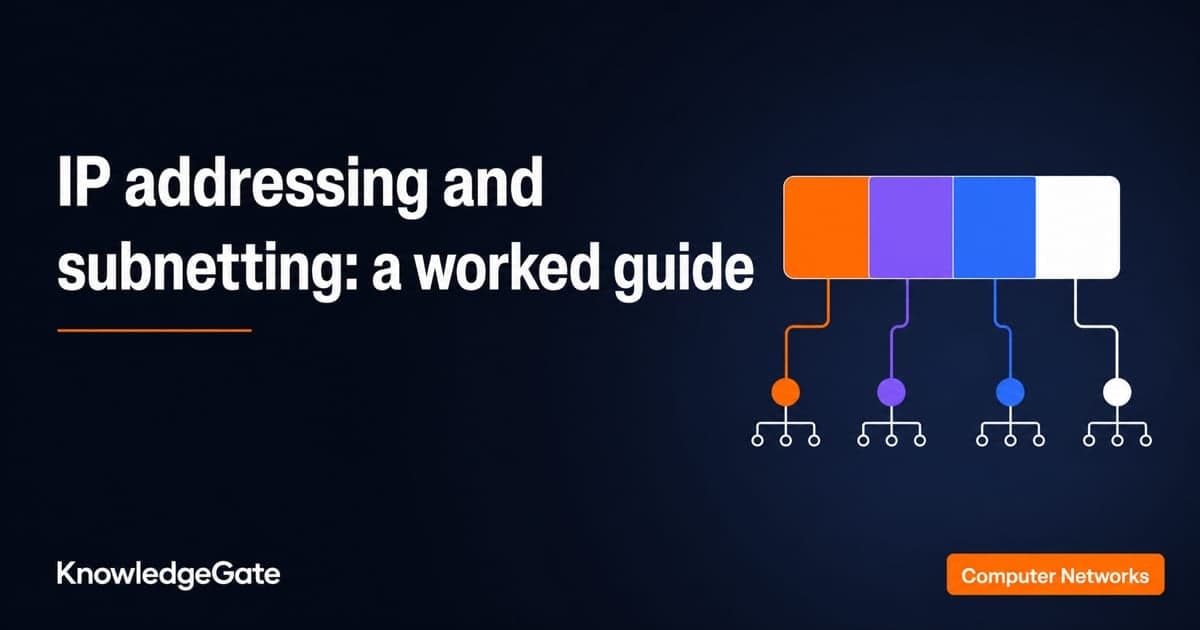
IP addressing and subnetting: a worked guide with the exam angle
IP addressing and subnetting explained: IPv4 structure, classful vs CIDR, subnet masks, a fully worked subnetting example with ranges and broadcast addresses.
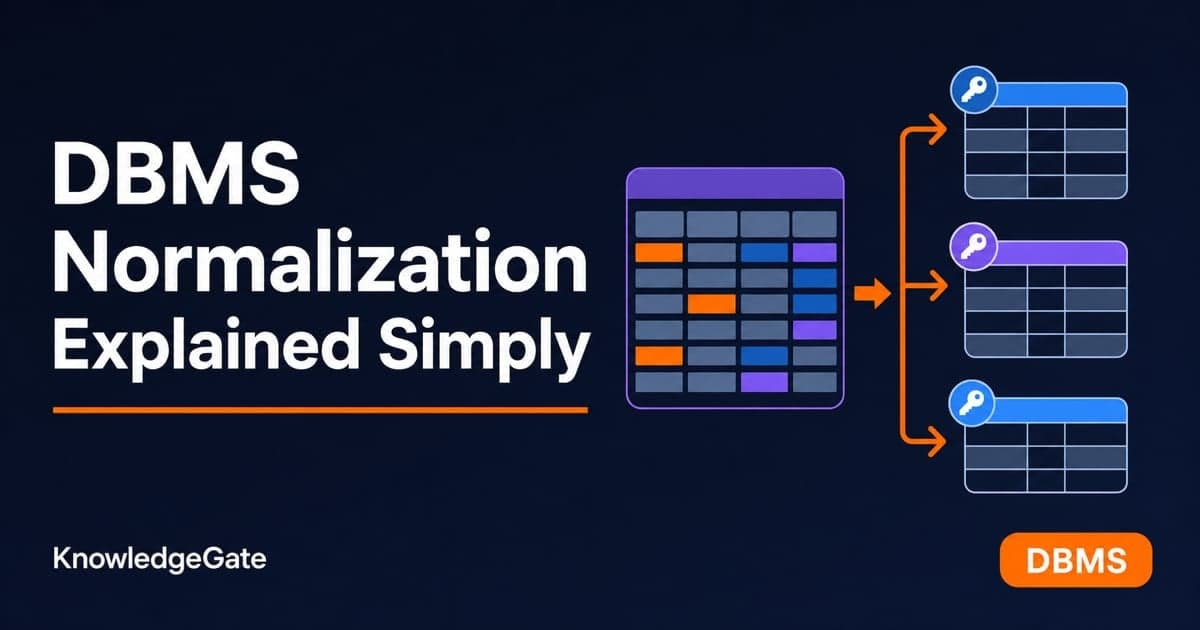
DBMS Normalization Explained Simply (With the Questions That Test It)
Normalization confuses almost everyone the first time. Here is a plain-English walk from functional dependencies to BCNF, and the exact question patterns that test it.
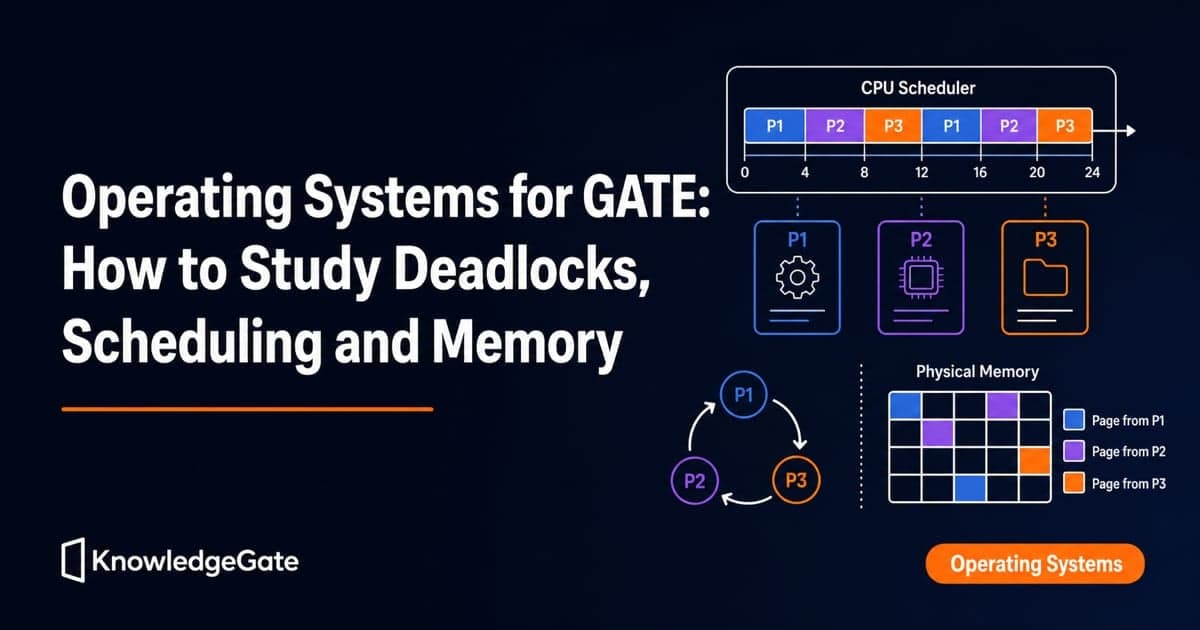
Operating Systems for GATE: How to Study Deadlocks, Scheduling and Memory
Operating Systems is one of the densest, most-tested GATE CS subjects. Here is how to study its three biggest areas (scheduling, deadlocks and memory) so the marks actually come.
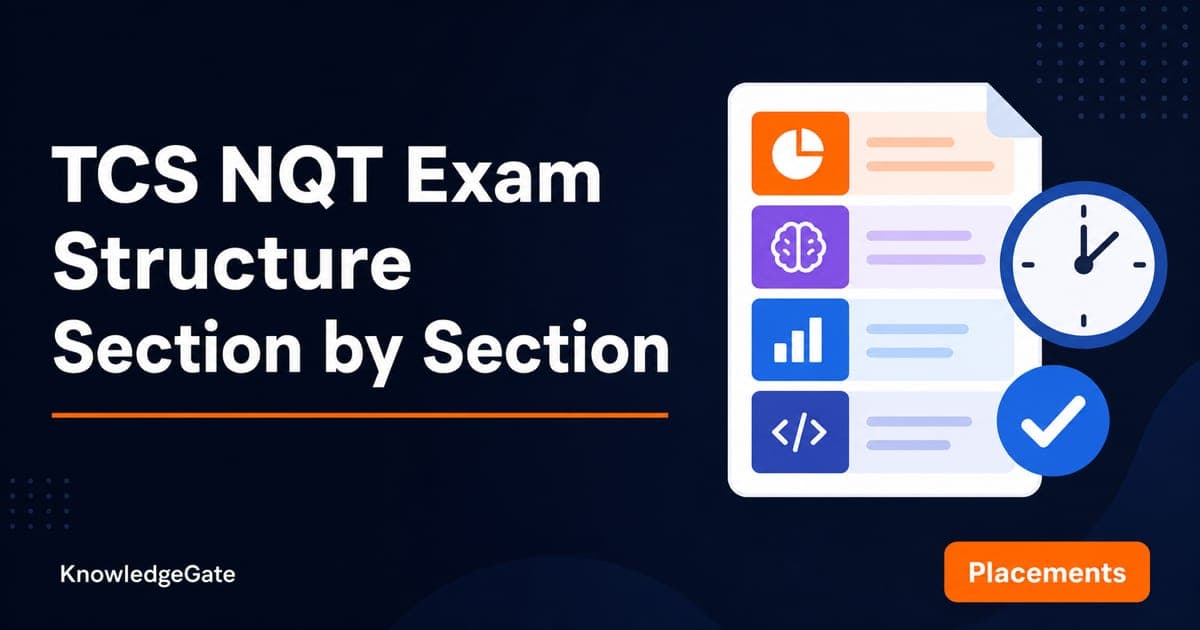
The TCS NQT Exam Structure, Explained Section by Section
The TCS National Qualifier Test is one of the widest doors into an IT career in India. Here is a clear, section-by-section breakdown of what it tests and how to prepare.