HR interview questions for freshers: how to answer the standard ones honestly
The HR round is where offers are lost by people who already cleared the hard part. You solved the coding round, you survived the technical interview, and then a calm conversation about yourself trips you up. Here is what each standard question is really testing, and how to answer it honestly.
KnowledgeGate Team
Exam prep & CS education
17 Jul 20264 min read
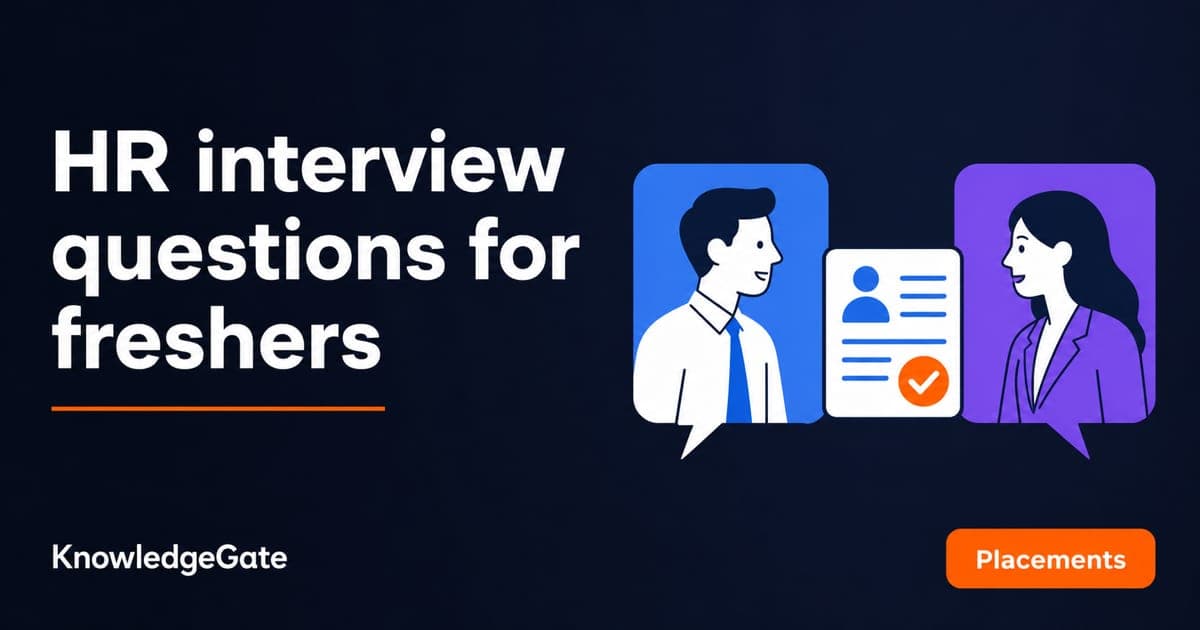
The HR round is where offers are lost by people who already cleared the hard part. You solved the coding round, you survived the technical interview, and then a calm conversation about yourself trips you up. Not because the questions are hard, but because you never prepared honest answers to questions you assumed you could improvise.
Scripts are the wrong preparation. A rehearsed script reads as rehearsed, and it collapses the moment the interviewer phrases the question slightly differently. What holds up is a short structure you understand, filled with your own specifics, so you can answer any version of the question in your own words.
What the HR round is actually testing
The intent behind each question matters more than its wording. The technical rounds on OS, DBMS, CN and OOP already decided you can do the work. HR is checking three quieter things: whether you communicate clearly, whether you will fit and stay, and whether your story is consistent. Every standard question is one of those three in disguise. Answer the intent, not just the literal words.
One habit helps across every question: pause for a second before you answer. A short, composed pause reads as thoughtful, while rushing to fill silence reads as nervous. Delivery matters here as much as content, because this round is partly a test of how you hold a conversation under mild pressure.
Tell me about yourself
This is the opener, and freshers waste it by reciting their resume top to bottom. The interviewer has the resume. What they want is a 60 to 90 second narrative that frames who you are for this role.
A structure that works:
Present: one line on where you are (final-year student, recent graduate, your branch).
Path: two or three lines on what you have built and enjoyed, the projects, internships or subjects that shaped your interest, chosen to point at this job.
Purpose: one line on why you are sitting here, connecting your path to this role.
Rehearse the structure, not the sentences. The goal is to sound prepared, not scripted.
What are your strengths and weaknesses
Strengths are easy to state and easy to overdo. Name one or two real ones and immediately back each with a concrete example: a project where the strength showed, not an adjective. "I am a good team player" is worth nothing without the moment that proves it.
Weaknesses are where honesty beats cleverness. The fake-weakness answer ("I am a perfectionist") is transparent and interviewers are tired of it. Instead, name a genuine, non-fatal weakness and, crucially, the specific thing you are doing about it. The structure is: the honest weakness, the concrete step you are taking, the early result. That three-part shape turns a weakness question into evidence of self-awareness, which is exactly what it is testing.
Why do you want to join this company
This question filters out mass-appliers. A generic answer ("it is a reputed company with good growth") tells them you would say the same to anyone. Do ten minutes of real homework: the company's products, the tech stack they hire for, something specific about the role. Then connect one genuine point about them to one genuine point about you. Specific and modest beats grand and generic every time.
Are you willing to relocate
Answer honestly, because a false yes creates a worse problem later. If you are flexible, say so plainly. If you have a real constraint, state it without over-explaining or apologising, and express openness where you genuinely have it. Interviewers respect a clear, honest boundary far more than an eager yes you will retract after the offer.
What are your salary expectations
For a fresher, especially in a structured drive, compensation is usually fixed or banded, so this is often more about composure than negotiation. The shape of a good answer is three beats: you are open to the company's standard structure for the role, you have a rough sense of what the role pays, and you would rather spend the time talking about the work. Do not anchor yourself to a random number you cannot justify. Keep it brief and unflustered; the answer they are grading is your poise, not the figure.
Do you have any questions for us
Always have two or three ready. "No, I think you covered everything" reads as low interest. Ask something real: what the first six months look like, how the team is structured, what a new joiner is expected to learn first. Good questions signal that you are evaluating the fit too, which is what a confident candidate does.
Build your answers, do not borrow them
The pattern is the same every time: a short structure, filled with your own honest specifics. That is the entire skill. Write your own one-line answers to each question above, then say them aloud until they sound like you talking, not you reciting.
Our Resume and Interview Preparation course walks through the HR round with worked examples and mock-interview practice, so you rehearse against real questions rather than a list. Pair it with a resume that has already cleared the screen, using our resume for freshers guide, and browse the full resume and interview section for the stage after the written test.
The short version
The HR round rewards honesty with structure. Know what each question is really testing, prepare a short frame for each, and fill it with true specifics from your own path. Do that, and the round that ends other people's drives becomes the easy last step of yours. Confirm the rest of the process for your target company in the wider placement preparation catalog.
Keep learning

Which Skill Sets Are in Demand for Tech Jobs?
Explore the technical and human skill combinations showing up across software, AI, data, cloud, and security roles—and how students can prove them with focused projects.
21 Oct 20265 min readPlacement Preparation
AI Is Changing Campus Hiring: How Students Can Show Their Skills
Make your technical skills visible in AI-assisted campus hiring with clear resume evidence, one explainable project, and a practical interview routine.
15 Oct 20265 min readPlacement Preparation
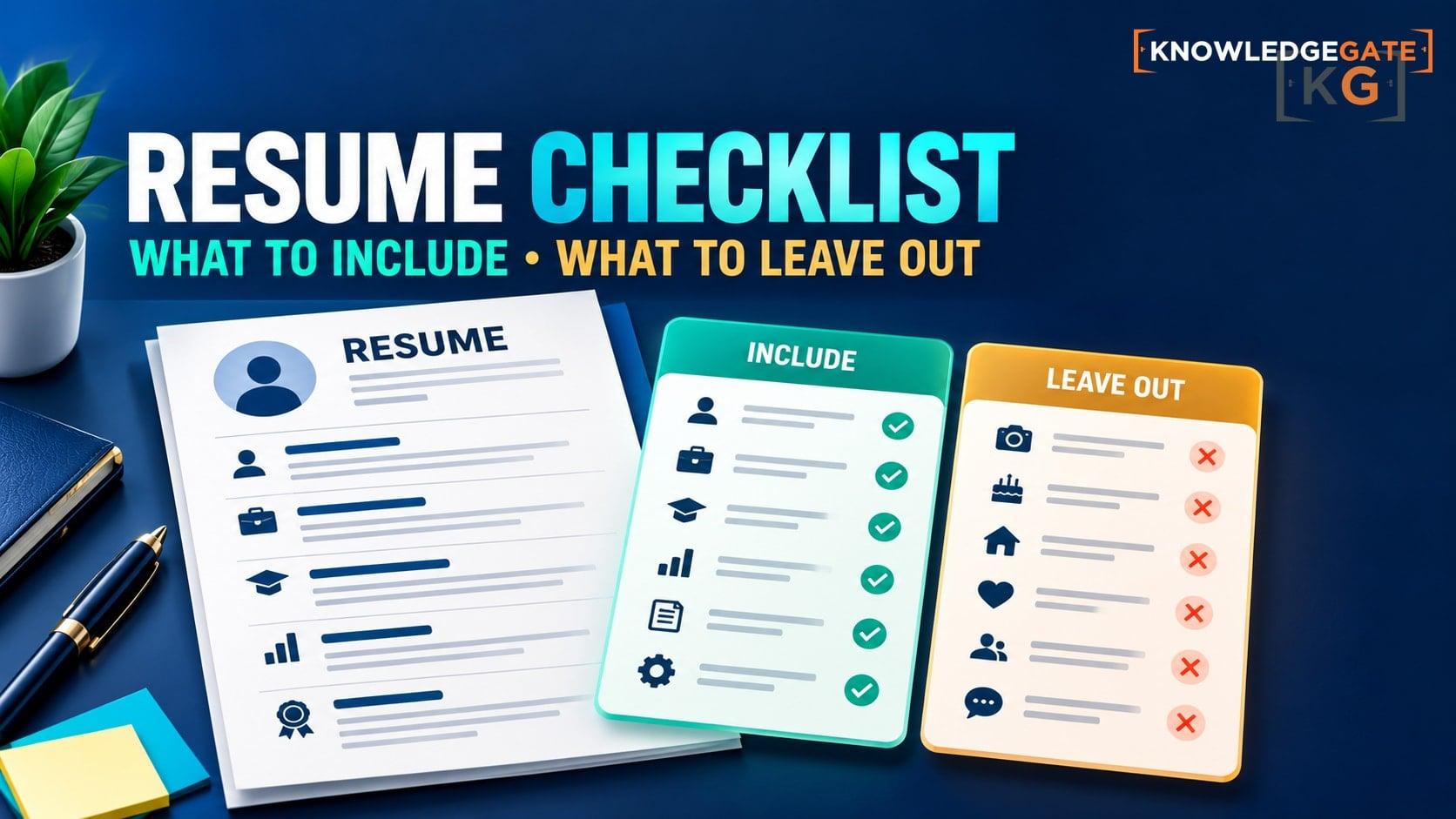
Resume Checklist: What Must Be Included and What Must Be Left Out
3 Oct 20264 min readPlacement Preparation
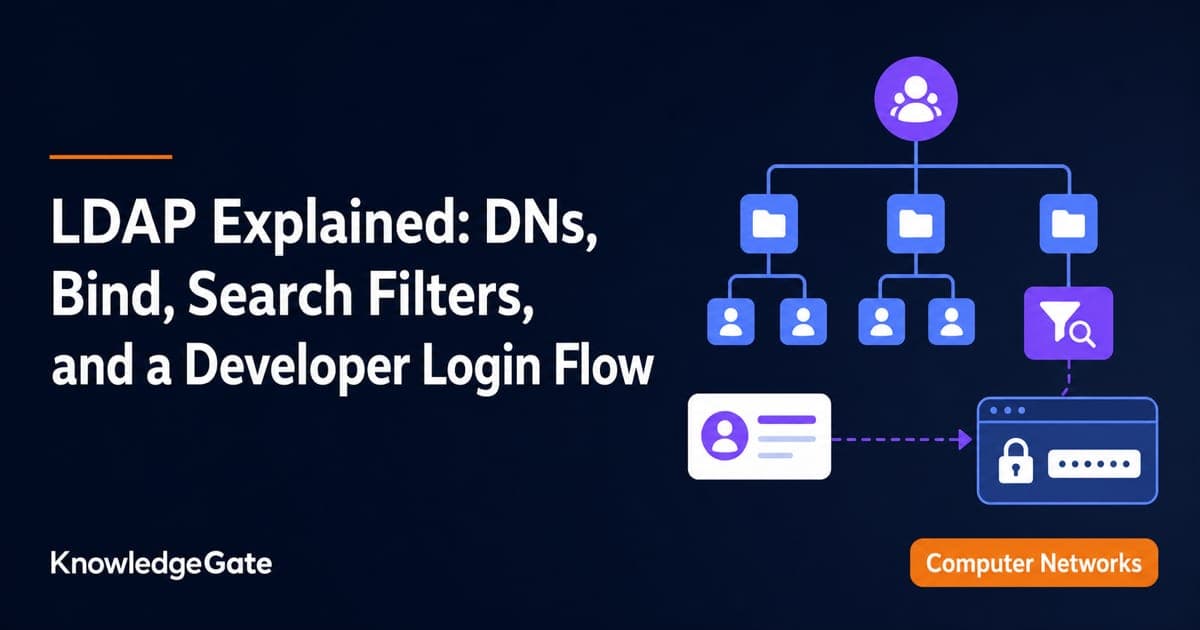
LDAP Explained: DNs, Bind, Search Filters, and a Developer Login Flow
Build one LDAP mental model from directory tree to login. Trace a service bind, escaped user search, password-verifying user bind, and group-based role check.
Updated 13 Aug 20265 min readPlacement Preparation